Understanding AI Image Generators
In an era where visual content reigns supreme, AI image generators have emerged as transformative tools that reshape how we create and utilize imagery. These advanced platforms leverage artificial intelligence to process and generate images from existing ones, enabling users to produce stunning visuals with minimal effort. The concept of an ai image generator from image is not just a technological novelty; it's a significant step towards democratizing creativity, making it accessible even to those without any design background.
What is an AI image generator from image?
An AI image generator from image refers to software that utilizes machine learning algorithms to analyze existing images and generate new ones based on user-defined parameters or styles. This technology can create a myriad of outputs ranging from simple adjustments to complex artistic reimaginings. Users can upload a base image and instruct the generator to modify it according to their specifications, effectively allowing for a personalized touch in artistic expression.
How AI image generators work: The technology behind it
AI image generators primarily function through deep learning, a subset of machine learning involving neural networks that mimic human brain function. These systems are trained on vast datasets of images, learning to understand the nuances of color, texture, and composition. When enabled to generate new images, the algorithm draws upon this acquired knowledge to create outputs that adhere to the characteristics of the input image while incorporating fresh elements based on user prompts. Techniques such as Generative Adversarial Networks (GANs) are commonly employed, wherein two neural networks compete against each other, producing increasingly realistic images.
Key benefits of using AI image generation tools
- Efficiency: Streamlines the creative process, allowing for rapid image creation.
- Cost-effective: Reduces the need for professional photography or graphic design services.
- Endless creativity: Offers a wide array of styles and variations that can trigger new ideas.
- Accessibility: Enables individuals without artistic skills to produce high-quality images.
- Customization: Allows users to tailor images specifically to their needs and preferences.
Choosing the Right AI Image Generator
With numerous options on the market, selecting the right AI image generator can be challenging. Factors such as user interface, output quality, and creative flexibility play significant roles in this decision-making process. Understanding comparative features can help potential users navigate this crowded landscape effectively.
Comparative features of popular AI image generators
When comparing AI image generators, it's crucial to look at several key features, including:
- User interface: A clean, intuitive design enhances user experience.
- Image quality: The resolution and detail of generated images can vary significantly.
- Customization options: Some generators allow for more nuanced control over styles and outcomes.
- Speed: The time it takes to generate images can impact workflow, particularly for businesses.
- Community support: Active user communities can provide valuable tips and troubleshooting assistance.
Evaluating performance metrics for image quality
To assess the quality of images produced by different AI generators, consider metrics such as resolution, color accuracy, and realism. User reviews and expert critiques can also shed light on these performance aspects, offering insight into the practical applications of each tool. Testing various platforms with similar prompts is another effective method to evaluate their output quality.
User reviews: What to consider before choosing
User reviews can vastly inform your selection process. Look for consistent feedback on critical elements like performance, ease of use, and customer support. Reviews can highlight areas where certain generators excel or fall short, providing a clearer picture of what to expect before making a commitment.
Best Practices for Using AI Image Generators
Successfully utilizing AI image generators requires a strategic approach. Implementing best practices can significantly enhance the quality of results and streamline the creative process.
Tips for creating effective image prompts
When crafting prompts for an AI image generator, specificity is key. Instead of vague descriptions, provide detailed instructions that include color schemes, desired styles, and specific elements to include. This precision can help ensure the generated images align closely with your vision.
Combining styles and techniques for unique outcomes
Experimenting with different artistic styles can lead to innovative results. Users can mix various influences, such as combining a classical painting style with modern digital elements, to create something truly unique. This creative exploration not only results in original images but also expands the capabilities of the AI tool being used.
Avoiding common mistakes in AI image generation
Some common pitfalls in AI image generation include:
- Overloading prompts with excessive detail can confuse the model.
- Failing to experiment can lead to missed opportunities for creativity.
- Neglecting to revise outputs can result in accepting subpar images.
- Relying too heavily on automated outputs without personal input may stifle individual creativity.
Real-World Applications of AI Image Generators
AI image generators have found a footing in various industries, transforming how businesses and individuals approach visual content creation. Their applications continue to grow in scope and sophistication.
How businesses leverage AI-generated images for marketing
In marketing, AI-generated images offer businesses the ability to create personalized visual content at scale. Brands can generate images that resonate with specific demographics or tailor advertising campaigns to reflect trends in real-time, significantly enhancing engagement and conversion rates.
Case studies of successful image generation usage
Several companies have successfully integrated AI image generation into their workflows. For instance, a fashion brand used AI image generation to create digital models wearing their latest collection, drastically cutting down on the time and resources needed for traditional photoshoots. This allowed them to launch marketing campaigns faster and more efficiently, setting a new standard in their industry.
Creative fields benefiting from AI image generators
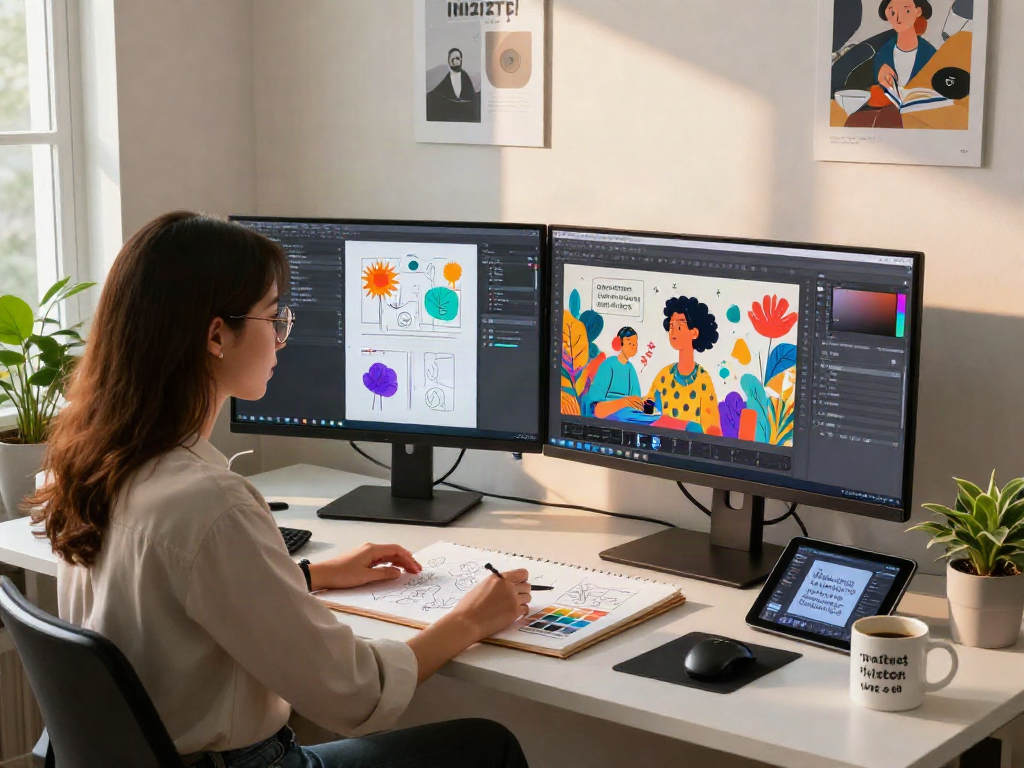
In addition to marketing, creative fields such as art, gaming, and fashion design are also experiencing the benefits. Artists can use these tools to experiment with concepts without committing to a final piece, while game developers can generate environments and characters that enhance storytelling and gameplay.
Future Trends in AI Image Generation for 2026
As technology evolves, so too will AI image generation tools. Several emerging trends and technologies are poised to redefine the capabilities of these systems in the coming years.
Emerging technologies in AI image generation
Innovations such as improved neural networks, advanced generative algorithms, and enhanced user interfaces will make AI image generators more accessible and effective. The integration of augmented reality (AR) and virtual reality (VR) could also lead to immersive image generation experiences, allowing users to visualize their creations in real-world scenarios.
The evolving role of AI in creative industries
AI is set to play a more integral role in creative processes. As tools become more sophisticated, they will augment human creativity rather than replace it, allowing creators to push the boundaries of conventional artistry. Collaboration between human expertise and AI capabilities will likely become a standard practice in various fields.
Predictions for AI image generation advancements
By 2026, we can anticipate significant advancements in the precision and realism of generated images. Improved algorithms may allow for hyper-realistic outputs that are indistinguishable from traditional photography, paving the way for even broader acceptance and usage across industries.
What is the potential for AI image generation in the next decade?
The next decade holds immense potential for AI image generation. As technology continues to advance, the boundaries of what can be created will expand. The democratization of design will likely open up new opportunities for creativity among individuals and communities, further embedding AI tools in the fabric of creative industries.